
Conformal Coating Machines and the Future of Electronics Protection

Electronics protection is very important now because industries want more from devices. Conformal coating helps protect small parts from water, dust, and chemicals. Today, conformal coating machines face new problems:
Miniaturization means we need very exact coatings and special, automatic systems.
Industry 4.0 adds automation and accuracy to the process, using smart manufacturing ideas.
Sustainability means we use safer coatings, like water-based and UV-curable types, to help the environment.
Companies now buy better conformal coating machines to work faster and make products more reliable.
Key Takeaways
Conformal coating keeps electronics safe from water and dust. It also protects them from chemicals and temperature changes. This helps devices last longer and work well.
There are three main types of coating. Solvent-based dries fast but can catch fire. UV-cured is very quick and strong but needs special tools. Water-based is safe and good for the earth but dries slower.
Modern conformal coating machines use exact application and automation. They also use smart sensors to work faster and more accurately. This helps cut down on waste.
New materials like nanomaterials and self-healing coatings make electronics tougher. They can also fix small damages by themselves.
Good process control and inspection systems find defects early. They catch things like air bubbles and pinholes. This makes sure coatings are high quality.
Many industries use conformal coatings for safety and strength. These include automotive, aerospace, medical, and consumer electronics.
It is important to balance performance with being safe for people and the planet. This means picking coatings that protect well and are safer for workers and nature.
Smart manufacturing and real-time monitoring help factories work faster. They also lower mistakes and help make greener, longer-lasting electronics.
Role of Conformal Coating
What Is Conformal Coating
Conformal coating is a thin layer that protects electronics. This layer covers printed circuit boards and other parts. It keeps out water, dust, chemicals, and heat or cold. Companies use conformal coating to help parts last longer. The coating is clear, so you can still see the parts. It also makes repairs easier. There are different kinds of coatings, like acrylic, silicone, and polyurethane. Each type works best in certain places.
Why Electronics Need Protection
Electronics can get damaged by many things. Water, dust, and chemicals can hurt circuits and make them stop working. Even a little water can cause rust or short circuits. Heat and cold can make parts move and break connections. Conformal coating stops these problems from happening. It makes a barrier that keeps bad things away from the inside parts. This is very important for cars, planes, and medical devices. These things need to work well for a long time.
Note: If electronics are not protected, they might break or be unsafe. Conformal coating helps companies save money and avoid fixing or recalling products.
How Conformal Coating Machines Work
Conformal coating machines are important for putting on the coating. They add the protective layer to boards and other parts in different ways:
Spraying uses spray booths and spray guns. This spreads the coating evenly and is good for lots of boards.
Dipping means putting the whole board in a tank of coating. This covers everything but can trap air bubbles.
Brushing is done by hand. Workers use brushes for small jobs or to fix missed spots.
Machine dispensing puts coating only where it is needed. This uses controls to protect certain parts and not waste coating.
Conformal coating machines help make sure the coating goes on evenly. They use masking to keep coating off places that should stay bare. After putting on the coating, they cure it to make it strong. People check the coating with UV lamps and thickness tools to make sure every part is covered.
Core Technologies

Solvent-Based Coating
Solvent-based coatings have been used for a long time. They use organic solvents to carry the protective material. When you put them on, the solvent dries up. This leaves a thin layer over the electronics. This type of conformal coating dries fast and covers well. It works even on parts with tricky shapes. Many companies pick solvent-based coatings for quick work and good protection.
But there are safety issues with these coatings. The solvents can catch fire, so you need good airflow. Workers must follow safety rules to stay safe. Solvent-based coatings let some water and gases through. This means they are not fully sealed. Companies use this method when they want speed and good coverage.
UV-Cured Coating
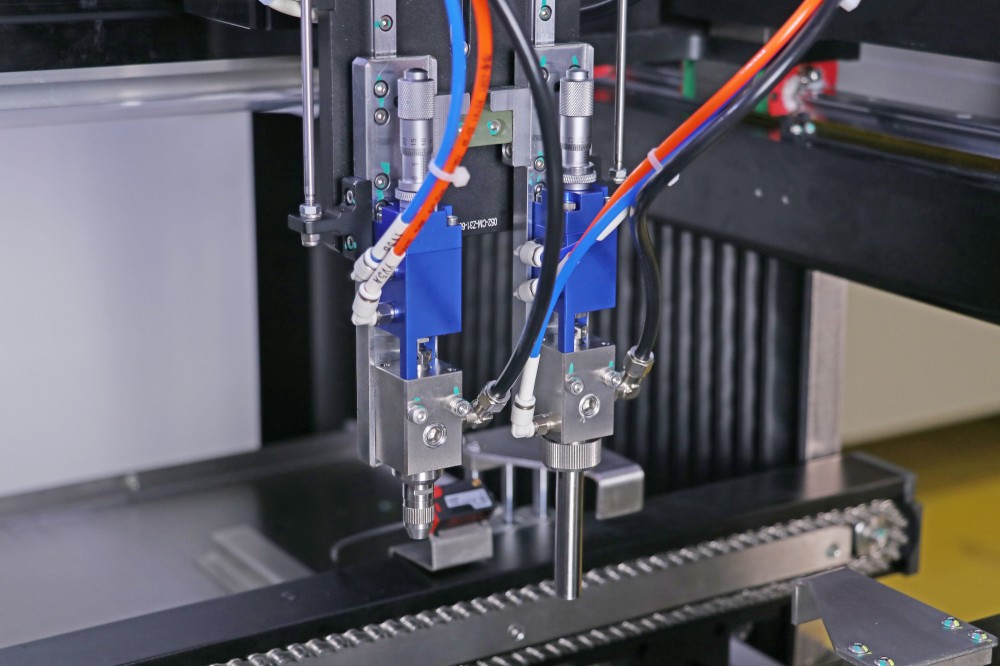
UV-cured coatings work in a different way. They have special chemicals that harden under ultraviolet light. The coating dries almost right away. This helps factories make things faster. UV-cured conformal coating does not use solvents. So, it makes less bad air and keeps the workplace cleaner.
This technology has many good points. The coating makes a strong shield against water, dust, and chemicals. Because it dries so fast, factories can move products quickly. But UV-cured coatings need special tools for the UV light. Some spots on a board might not get enough light. These spots may need a second cure. Repairs are hard because the coating gets very hard after drying.
Water-Based Coating
Water-based coatings use water instead of solvents. This makes them safer and better for the planet. Water-based conformal coating does not burn and smells less. Many companies use this to follow strict rules and keep workers safe.
These coatings take longer to dry because water dries slowly. Wet air can also slow down drying and change the final result. Factories must control the air to get the best outcome. Water-based coatings are good when safety and the environment matter most, even if it takes more time.
Tip: Pick the right conformal coating for your project. Think about speed, safety, tools, and how much protection you need.
Comparison Table
The table below shows the main differences between the three core technologies:
Coating Type | Curing Mechanism | Performance Characteristics | Application Considerations |
|---|---|---|---|
Solvent-based | Solvent evaporation | Fast cure times; good wetting; flammable | Requires ventilation; traditional method; semi-permeable |
Water-based | Water evaporation | Longer cure times; sensitive to humidity; non-flammable | Safer to use; slower throughput; humidity control needed |
UV-cured | Polymerization under UV light | Very fast cure; 100% solids; no solvents; difficult to repair | Requires UV equipment; secondary cure needed in shadowed areas; complex application |
Each conformal coating technology has its own good and bad points. Solvent-based coatings are fast but need careful use. UV-cured coatings work quickly and protect well but need special tools. Water-based coatings are safe and green, but they take more time and need good air control.
Trends in Conformal Coating Machines
Miniaturization
Electronics are getting smaller every year. This means conformal coating must be more exact. Tiny parts need careful protection. Conformal coating machines now use smart controls for this.
Precision Application
Being exact is very important now. Machines put coating only where it is needed. They use small nozzles and robots to help. These tools stop coating from going in the wrong spots. High-precision systems waste less and make better products. Factories use these machines to meet strict rules.
Small Component Challenges
Tiny parts bring special problems. Small spaces are hard to cover fully. Air bubbles and uneven layers can happen easily. Engineers make new masking and dispensing tools to fix this. They also use better cameras to check the coating. These steps help every part get the right protection.
Industry 4.0 Integration
Factories use smart tech to make coating better. Industry 4.0 brings automation and connects machines. These changes help companies work faster and make fewer mistakes.
Automation
Automation makes coating go faster. Machines do jobs like spraying, drying, and checking. This cuts down on mistakes and keeps quality high. Automated systems let factories switch products quickly. Companies can make more boards in less time.
Data and IoT
Machines now share data right away. Sensors watch coating thickness and how machines work. Workers see this info on screens and act fast. The table below shows some Industry 4.0 features and how they help:
Industry 4.0 Feature | Description | Process Efficiency Improvement |
|---|---|---|
Inter-machine communication | Lets machines check process quality at the same time | Makes it easy to watch coating work and quality as it happens |
Integrated coating thickness sensor | Checks coating thickness all the time | Changes coating speed to keep quality the same |
Qadence™ flow control system | Controls spray flow and keeps it steady | Gives very accurate and steady coating, making spray better |
Innovative line layout (Panorama™ S-Line) | Uses space well and heats boards in lower parts | Cuts floor space in half and makes work flow better |
Automated coating inspection and curing modules | Checks and dries coating with built-in systems | Helps coating stay good and fast, while keeping quality high |
These features help factories save time and money. They also make it easier to keep products safe and reliable.
Advanced Materials
Material science keeps making coatings better. New choices protect more and help the planet.
Nanomaterials
Nanoparticles make coatings stronger. They help with electricity and block water and dust. These tiny bits also help coatings stick and bend. This makes coatings last longer and work in tough places.
Self-Healing Coatings
Self-healing coatings are a big step forward. These coatings fix small cracks by themselves. This helps electronics last longer. It also means fewer repairs and saves money.
Bio-Based Options
Many companies care about the planet. Bio-based coatings use natural things, not chemicals. These coatings are safer for the earth. They help companies follow green rules.
New coatings use nanomaterials and self-healing tech. Nanoparticles help coatings fight damage and stress. Self-healing coatings fix small problems on their own. These new materials help electronics last longer and work better.
Tip: Companies that use new coating machines and materials can make better products and get ready for the future.
Application Methods
Process Control
Process control is very important for conformal coating. Workers use smart systems to watch each step. These systems check temperature, humidity, and coating thickness. Machines can change their settings right away if needed. This keeps the process steady and stops mistakes. It also helps make sure the quality stays high.
Factories use sensors and cameras to watch the coating go on. If something goes wrong, the system can stop or tell a worker. This fast action saves money and cuts down on waste. Many companies use software to collect data from every batch. They look at this data to spot problems and make things better next time.
Tip: Good process control means fewer mistakes and better electronics.
Selective Coating
Selective coating only covers the parts that need it. Robots or special machines put the conformal coating on very carefully. Some parts, like connectors or switches, do not get coated. This helps them work the right way.
Engineers tell the machines where to put the coating. They use special nozzles or valves to control how much comes out. Selective coating uses less material and makes work faster. It also makes fixing things easier because only some spots have coating.
Here is a simple table that shows why selective coating is good:
Benefit | Description |
|---|---|
Material Savings | Uses less coating, lowers costs |
Faster Production | Speeds up the coating process |
Easier Repairs | Limits coating to needed areas |
Better Performance | Keeps sensitive parts exposed |
Board Preparation
Board preparation is the first step before coating. Workers clean each board to get rid of dust, oil, or fingerprints. If dirt stays, the coating can bubble or peel off. Some factories use machines to wash and dry boards. Others use brushes or air jets.
Next is masking. Workers or machines cover parts that should not get coated. They use tape, gels, or special masks for this job. Good masking keeps connectors and test points safe. After masking, the board is ready for conformal coating.
Note: If you skip cleaning or masking, you can get defects and repairs will cost more.
Curing Technologies
Curing technologies are very important for electronics protection. After putting on conformal coating, curing turns the liquid into a hard shield. The right curing makes the coating stick well and last longer. Factories pick a curing method based on coating type, speed, and how delicate the parts are.
There are different curing methods. Each one has good and bad points. The table below shows the most common curing technologies:
Curing Technology | Applicable Coating Types | Mechanism & Notes | Throughput Impact & Considerations |
|---|---|---|---|
Evaporative Curing | Solvent or water-based coatings | Liquid carrier evaporates, leaving resin; may require multiple dips; humidity affects curing speed. | Simple process but slower throughput due to multiple dips; solvent systems cure faster but need ventilation; water-based slower and humidity sensitive. |
Moisture Curing | Silicone, some urethane systems | Reacts with ambient moisture to polymerize; often combined with evaporative curing. | Moderate throughput; dependent on ambient moisture levels; typical for specific coating chemistries. |
Heat Curing | One or multicomponent systems | Heat accelerates polymerization or acts as secondary cure after UV, moisture, or evaporative curing. | Can speed curing significantly but limited by thermal sensitivity of components; may require additional equipment. |
UV Curing | 100% solid coatings | Uses ultraviolet light for rapid curing; no solvents; requires secondary cure for shadowed areas. | Very fast throughput inline; however, shadowed areas need secondary curing; requires UV equipment and safety measures. |
Evaporative curing is used for solvent and water-based coatings. The liquid dries up and leaves a solid layer. Sometimes, boards need more than one dip to cover everything. Humidity can slow down water-based curing. Solvent-based curing needs good airflow to be safe.
Moisture curing is used for silicone and some urethane coatings. The coating gets hard when it touches water in the air. This method is often used with evaporative curing. How fast it works depends on how much water is in the air.
Heat curing uses ovens or heaters to make the coating hard faster. It works for one or two-part systems. Sometimes, it is used after other curing steps. Heat curing can make things go faster but might hurt parts that cannot take heat. Factories must check if their parts can handle the heat.
UV curing is very fast. It uses ultraviolet light to make the coating hard almost right away. This is good for making lots of boards quickly. But places that do not get enough light need another cure. UV curing needs special lamps and safety steps for workers.
Tip: Pick the best curing method for your coating, board, and how fast you need to work. Fast curing helps make more boards, but the wrong method can hurt delicate parts.
Curing is always an important step in conformal coating. The right choice helps factories work fast, stay safe, and make good products.
Quality and Defect Mitigation
Common Defects

Conformal coating keeps electronics safe, but problems can still happen. These problems can make products work badly or even break. Knowing about common problems helps companies stop them.
Air Bubbles
Air bubbles happen when air gets stuck under the coating. These bubbles make weak spots. Water or chemicals can get in through these spots. Air bubbles show up if workers go too fast or use the wrong way to coat. Machines with bad settings can also make bubbles.
Tip: To stop air bubbles, workers should slow down and check how thick the coating is.

Pinholes
Pinholes are tiny holes in the coating. These holes let water or dust touch the circuit. Pinholes often come from dust, oil, or water on the board before coating. Sometimes, the coating is too thin or dries too quickly.
Here is a simple checklist to stop pinholes:
Clean boards before coating.
Keep the room at the right humidity.
Put on the coating at the right thickness.
Foam
Foam looks like small bubbles or froth on top of the coating. This problem can make the coating weaker. Foam happens when workers shake the coating liquid or spray it too hard. Some coatings make more foam than others.
Note: Using anti-foam chemicals and mixing gently can help stop foam.
Inspection Systems
Inspection systems are important for checking quality. These systems look for problems right after coating is put on. Many factories use AOI machines. AOI uses cameras and sensors to find bubbles, pinholes, and missed spots.
Some systems use UV light. UV lamps make the coating glow so workers can see if it covers everything. Some machines can check coating thickness right away. These tools help companies find problems early.
Inspection Method | What It Detects | Benefit |
|---|---|---|
AOI | Bubbles, pinholes | Fast, automatic checks |
UV Light | Coverage gaps | Easy to spot problems |
Thickness Sensors | Thin or thick areas | Keeps quality consistent |
Process Optimization
Process optimization means making the coating process better. Companies look at data from each batch. They change machine settings to fix problems. For example, they can change how fast they spray or the temperature.
Engineers use feedback from inspection systems to get better results. They teach workers to use the best ways to work. Keeping machines in good shape also helps stop problems.
Callout: Always trying to get better means fewer problems, better products, and lower costs.
By working to stop problems, check for mistakes, and improve the process, companies can make safer and better electronics. Checking quality at every step makes sure conformal coating protects each device the right way.
Market Drivers
Automotive Electronics
Automotive electronics have changed a lot in recent years. Modern cars now have more sensors and control units. They also use more safety systems than before. These parts must work in hard places, like hot engines or wet roads. Car makers want every part to last for many years. They use conformal coatings to protect circuit boards from water, salt, and dust. These coatings help stop rust and short circuits. Electric vehicles need strong protection for their battery systems. They also need it for power electronics. As more cars use advanced driver-assistance systems, the need for reliable coatings grows. Companies now make conformal coatings just for cars.
Note: Car makers trust conformal coatings to keep safety and control systems working in all weather.
High-Reliability Applications
Some industries need electronics that always work. Aerospace, medical, and military fields use devices in risky places. Mistakes in these places can cost lives. For example, airplanes use control boards at high altitudes and in cold air. Medical machines must run safely in hospitals and clinics. Military equipment faces dust, shock, and very hot or cold weather. These industries pick coatings that meet strict rules for quality and safety. They often use advanced materials, like silicone or parylene, for the best protection. Factories test every batch to make sure the coating covers every part. High-reliability jobs push companies to improve their coating machines and inspection tools.
Aerospace: Needs coatings that handle shaking and pressure.
Medical: Needs coatings that are safe for people and easy to clean.
Military: Needs coatings that survive tough weather and rough use.
Market Growth
The global market for conformal coatings grows every year. More industries use electronics, so the need for protection rises. In 2023, the market was USD 992.1 million. Experts think it will reach USD 1,647.9 million by 2032. This means it will grow by 5.8% each year. The Asia Pacific region leads the market. Its size was USD 850.9 million in 2023. Consumer electronics is the biggest segment. Automotive and industrial uses also help the market grow.
Metric | Value |
|---|---|
Market size in 2023 | USD 992.1 million |
Projected market size in 2032 | USD 1,647.9 million |
CAGR (2024-2032) | 5.8% |
Asia Pacific market size (2023) | USD 850.9 million |
Leading segment | Consumer electronics |
Key market drivers | Automotive, manufacturing, automation |
Big companies like DOW, H.B. Fuller, Henkel, and Shin-Etsu Chemical lead the industry. They spend money on new materials and smarter machines. As more factories use automation, the need for better coatings will keep rising.
Challenges and Solutions
Balancing Performance and Sustainability
Electronics makers want coatings that protect and help the earth. Many companies now try to use safer chemicals. They pick water-based or bio-based coatings instead of old solvent-based ones. These new coatings make less air pollution and create less waste.
But some eco-friendly coatings are not as strong as old ones. Engineers must test new materials to see if they block water, dust, and chemicals. They often test both types at the same time to compare. Some companies use both old and new coatings together for better results.
Tip: Teams can talk to suppliers to find coatings that are safe and green. They should always check if the new coating works for their needs.
A simple checklist for balancing performance and sustainability:
Test new coatings in real life.
Make sure the coating is safe.
Watch how long the coating lasts.
Ask customers what they think.
Regulatory Compliance
Laws and rules change a lot in electronics. Companies must follow strict safety and environment rules. Some places ban certain chemicals or limit their use. For example, the European Union has rules like RoHS and REACH. These rules control what goes into electronics.
Manufacturers must keep up with new rules. They need to check every batch for banned stuff. Many companies use tracking systems to record what is in each product. This helps them show they follow the rules if asked.
Regulation | What It Covers | Why It Matters |
|---|---|---|
RoHS | Limits hazardous substances | Keeps electronics safer for people and the planet |
REACH | Controls chemicals | Protects workers and users |
Note: Keeping up with rules helps companies avoid fines and recalls.
Cost and Efficiency
Factories want to protect electronics without spending too much. Good coatings and smart machines cost more at first. But they save money later by making less waste and fewer mistakes.
Automation helps coat more boards faster. Machines work quicker and make fewer errors than people. Smart systems track how much coating is used and where it goes. This helps cut down on wasted material.
A few ways to boost cost and efficiency:
Use automated machines for steady results.
Teach workers to find problems early.
Pick coatings that dry fast to speed up work.
Callout: Spending money on better machines and training makes products safer and saves money in the long run.
Future Outlook
Smart Manufacturing
Smart manufacturing is changing how companies protect electronics. Factories now use more robots and smart machines. These systems make conformal coating faster and more reliable. Industry 4.0 brings robots, sensors, and computers together to improve each step.
AI and machine learning help machines find coating problems fast.
IoT-enabled systems let machines talk and share data right away.
Cloud analytics let engineers check work from anywhere.
Predictive analytics warn workers about coating problems before they happen.
Adaptive inspection changes to fit new products and small parts.
Automated inspection fits easily into busy lines.
Smart manufacturing cuts waste and saves energy, making factories greener.
Smart manufacturing means better quality, lower costs, and less waste. Companies can now protect even tiny electronic parts with more care.
Real-Time Monitoring
Real-time monitoring lets factories see the coating process as it happens. Sensors watch temperature, humidity, and coating thickness during work. If something goes wrong, the system tells workers right away. This quick feedback helps stop mistakes before they get big.
Many factories use cameras and special lights to watch the coating. These tools find bubbles, thin spots, or missed areas. Engineers can fix problems right away. Real-time data also helps teams make their process better over time. They can spot trends and make changes that boost quality.
Tip: Real-time monitoring helps companies catch problems early and keep products safe.
Next-Gen Materials
Next-generation materials are changing how we protect electronics. Scientists now make coatings that do more than block water and dust. Some new coatings use nanotechnology to make stronger barriers. These coatings can bend and stretch without breaking.
Self-healing coatings fix small cracks by themselves. This helps electronics last longer, even in tough places. Bio-based coatings use natural ingredients. These coatings are safer for workers and better for the planet.
Material Type | Key Benefit | Typical Use Case |
|---|---|---|
Nanomaterial-based | Strong, flexible barrier | Wearable devices |
Self-healing | Repairs minor damage | Automotive electronics |
Bio-based | Eco-friendly, safe | Consumer electronics |
Companies that use next-gen materials can make safer, longer-lasting products. These new coatings help meet strict rules and support a cleaner environment.
Conformal coating machines can now work more exactly and quickly. They also make fewer mistakes. Big companies buy smarter machines and use better materials. They also control the process better. These new ideas help electronics last longer. They also keep them safe in tough places.
Companies that use these new ways will lead the future of electronics protection. Conformal coating will help make stronger and greener devices for a long time. 🌱
FAQ
What is the main purpose of conformal coating in electronics?
Conformal coating protects electronic components from moisture, dust, chemicals, and corrosion, extending product lifespan and reliability. By forming a thin, uniform protective layer, it safeguards sensitive PCBs in harsh environments, including automotive, medical, aerospace, and consumer electronics applications. It ensures consistent performance in extreme temperatures or high-humidity settings. For multi-device manufacturing, conformal coating reduces the risk of electrical failures, short circuits, and rework, making it a critical process for high-reliability SMT and PCBA lines. Proper application and inspection are key to maintaining optimal protection.
How do conformal coating machines improve product quality?
Conformal coating machines ensure even, repeatable application across PCBs using automated spray, dip, or selective methods. Equipped with cameras, sensors, and vision inspection, these systems detect coverage gaps, bubbles, or excessive coating in real time, reducing human error. Automation also improves throughput, especially for multi-device or high-volume SMT lines. By integrating programmable patterns and precise fluid control, these machines maintain consistent thickness, adhesion, and surface tension, ensuring every board meets quality standards and minimizing downstream failures during assembly, testing, or field operation.
Can conformal coatings be removed for repairs?
Yes, most conformal coatings are removable using specialized solvents, chemicals, or mechanical tools. Silicone-based coatings are typically easier to remove, while acrylic or urethane may require stronger solvents and longer exposure. Proper removal avoids damaging PCB traces or components. Before attempting repairs, always consult the coating manufacturer’s specifications and safety guidelines. For high-mix production or multi-device SMT lines, using removable coatings allows for rework, testing, or modification without compromising long-term board protection. Trained technicians should follow controlled procedures to maintain PCB integrity.
Are water-based coatings as effective as solvent-based ones?
Yes, water-based coatings provide strong protection against moisture, dust, and mild chemicals while being safer for operators and the environment. Solvent-based coatings dry faster and can conform better to complex geometries, making them ideal for high-density or uneven boards. Choosing between water- and solvent-based coatings depends on application requirements, workplace safety standards, and environmental regulations. In multi-device manufacturing lines, water-based systems are preferred for low-odor, low-flammability environments, whereas solvent-based coatings are suited for high-throughput, rapid-curing production where complex PCB coverage is required.
What industries use conformal coating the most?
Conformal coating is widely used in automotive, aerospace, medical devices, consumer electronics, and industrial control sectors. These industries require PCBs that function reliably in extreme temperatures, high humidity, vibration, or exposure to chemicals. SMT lines producing multi-device or high-density boards benefit from coating to reduce failures and warranty claims. High-reliability applications, such as avionics, EV control boards, and IoT devices, rely on consistent coating coverage for safety and compliance. Proper integration of coating machines and inspection systems ensures consistent protection across batches and devices.
How does Industry 4.0 affect conformal coating processes?
Industry 4.0 transforms conformal coating lines by introducing robotics, IoT sensors, and real-time data analytics. Automated machines track coating thickness, temperature, and coverage, while connected systems allow predictive maintenance, reducing downtime. Live feedback and smart controls optimize fluid usage, minimize waste, and enhance quality for multi-device and high-volume SMT production. Integration with MES or ERP systems enables full traceability of each PCB, ensuring defect prevention and operational efficiency. This digital approach supports faster throughput, consistent coating quality, and cost savings while maintaining safety and reliability.
What are common defects in conformal coating, and how can companies prevent them?
Typical defects include air bubbles, pinholes, foam, uneven thickness, and bare spots. Causes often involve contaminated boards, improper fluid viscosity, high humidity, or operator error. Prevention strategies include thorough PCB cleaning, controlling environmental factors, maintaining consistent coating fluid, and using automated inspection systems. Training operators, implementing regular process audits, and integrating inline UV or optical inspection help catch defects early. For multi-device SMT lines, adjusting spray patterns, nozzle height, and curing parameters ensures uniform coverage and reduces rework, maximizing yield and product reliability.
Tip: Checking coatings often and controlling the process keeps them strong and safe.


