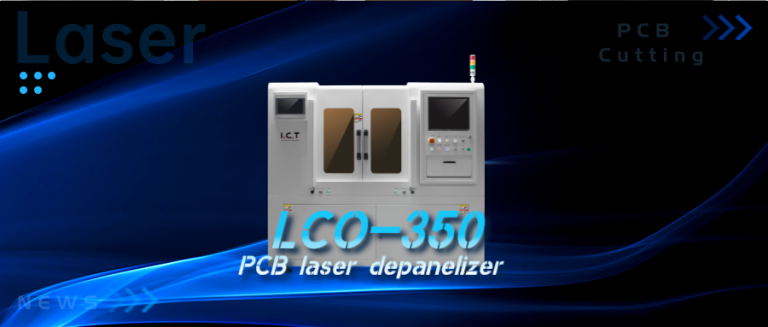
SMT production line used for Xiaomi Yu7 Electric Vehicle Revealed

What SMT production line is used for the Xiaomi Yu7 Electric Vehicle? Xiaomi has not shared the exact full-automatic SMT production line for the Yu7. But the company spends a lot on new ways to make things. Top companies like I.C.T show what good quality and speed look like. They offer complete solutions that help meet the need for more electric vehicles. The Asia Pacific area may have 55.21% of the SMT Assembly Line Trends market by 2031. Good SMT production line technology helps make electric vehicles work well and keeps users happy.
Key Takeaways
Xiaomi uses smart SMT production lines with robots and machines. These help build the Yu7 electric vehicle fast and with good quality.
The SMT process has careful steps like putting on solder paste, placing parts, heating, and checking many times to find mistakes early.
Automation and AI make things faster and more correct. This helps Xiaomi make many cars that work well and last a long time.
Xiaomi runs its own factory and works with battery suppliers. This keeps costs low and makes sure the quality stays the same.
Flexible SMT machines can change quickly for new parts and designs. This helps Xiaomi stay ahead and meet what customers want.
Inspection systems use cameras and X-rays to find hidden problems. This makes sure the Yu7’s electronics are safe and work well.
Good SMT production means fewer repairs, smooth driving, and a better time for Yu7 owners.
The World Manufacturer Identifier (WMI) in each Yu7’s VIN shows Xiaomi’s quality. It also helps track cars for safety and recalls.
SMT Production Line Overview
F1 Factory and F2 Assembly
Xiaomi Auto’s main factory is in Beijing. The F1 factory is where most Yu7 cars are made. This place uses robots and careful checks. The F2 area puts the cars together and tests them. Both places help Xiaomi make many electric vehicles.
The smt production line follows a set order. Each step helps keep things fast and good. First, workers put solder paste on boards. Then, machines place parts and check them. Reflow ovens heat the boards to attach parts. Machines look for mistakes at different steps. This way, more cars pass the first test and there are fewer problems.
Note: The table below shows important facts and numbers for a modern smt production line, like those in top car electronics factories.
Aspect | Details / Metrics |
|---|---|
Smallest Component Size | 0201 package (0.25 mm x 0.125 mm) |
Placement Rate | 100,000 parts per hour (across four machines) |
Solder Paste Types | Type 3, Type 4, Type 5 |
Paste Application Methods | Screen printing, Jet printing |
SMT Process Steps | Paste application & inspection, Pick and Place, AOI, Reflow, Post-reflow AOI |
Reflow Oven Profile | Four steps: Pre-heat, Soak, Reflow, Cooling |
Inspection Methods | SPI, AOI, Post-reflow AOI |
First-run Yield Improvement | From 70% to 97% with advanced inspection |
F1 and F2 use these steps to make sure every Yu7 is built well. The process has:
Solder paste printing with careful checks on how much is used.
Solder paste inspection with 2D or 3D SPI machines.
Fast chip mounting for small parts and careful placement for big ones.
People look at special parts and put them in by hand.
Reflow soldering with the right heat at each step.
Machines check for mistakes using cameras.
X-ray checks for hidden problems.
Tests to make sure the car works right.
Xiaomi Auto’s Role
Xiaomi Auto leads Yu7 production by making lots of cars quickly. The company wants to build 350,000 electric cars each year by 2025. To do this, they will grow the Beijing factory in three steps. Xiaomi got its own license to make cars in 2023. This lets them control how cars are made and saves about 15% on each car.
Xiaomi uses vertical integration to keep costs low. They work with battery makers like CATL. This helps keep prices steady even if materials cost more. Xiaomi’s phone-making skills help them save money and keep quality high. Their cars include the SU7 sedan and the new Yu7 SUV. These cars compete with other top brands.
Xiaomi’s way is special for a few reasons:
They grow fast by making their factory bigger.
They control how cars are made, so costs go down.
They work closely with battery suppliers.
They use smart supply chain ideas from making phones.
They plan for the future by buying land and building more factories.
Xiaomi has not shared details about the exact smt production line for the Yu7. But companies like I.C.T show what top systems can do. These systems use fast part placement, careful checks, and flexible controls to help make electric vehicles.
Key Features
Automation
Automation is very important in SMT production lines. Special machines do each job, like putting on solder paste and checking the boards at the end. Fast pick-and-place machines can put on thousands of parts every hour. They are very exact and use cameras to check their work. This helps stop mistakes. Solder paste printers and reflow ovens keep the heat and timing just right, so the boards are always good.
Now, AI helps make SMT automation even better. Machines look at data and change how they work right away. This makes things faster and stops long breaks. AOI and X-ray systems check for problems without people. These tools help Xiaomi’s F1 and F2 factories make lots of cars that work well.
Modern SMT lines connect IT and OT systems. This lets data move easily in the factory. Good data flow helps fix problems fast and control the process. This is important for making more electric cars.
Quality Control
Quality control uses smart inspection tools and strict rules. Before the solder gets hard, checks find problems early. This stops many bad boards from being made. If a problem is found, the mounter and AOI systems can stop the line and find out why fast.
Inspection tools use sharp cameras and AOI to check for:
Solder quality
Glue use
Part direction
Markings on parts
Good solder paste printing is very important. Most SMT problems come from bad solder paste printing. Factories watch the storage and use temperatures and humidity. This stops problems like solder balls.
Putting parts in the right place needs good part checks and the right pressure. Good soldering needs the right heat and stencil shape.
MES helps by sharing data, watching the process, and making sure rules are followed. This helps fix problems fast and keeps first-run yields high.
Flexibility
Flexibility is key for new SMT production lines. Modern machines can change fast for new products or market needs. Machines like Panasonic’s NPM-G can switch to new parts and board types quickly.
Pick-and-place machines and robots can be set up for new jobs fast.
AI and machine learning help machines get better as they work.
Industry 4.0 tools like IoT and big data give real-time checks and help fix things before they break.
Flexibility Feature | Benefit |
|---|---|
Quick changeover | New products can be made faster |
Adaptive automation | Can handle changes in design or market |
Customization capability | Can make special products for small groups |
These features help SMT lines work with tiny parts and quick changes. They also keep the quality high. Factories can make things for cars, hospitals, and planes. This shows how useful today’s SMT lines are.
Technologies Used
SMT Pick and Place
SMT pick and place machines are very important for making electronics. These machines use robot arms to put small parts on printed circuit boards. They work fast and make sure each part goes in the right place. These machines can move thousands of parts every hour.
Some new trends are changing how these machines work:
AI and machine learning help feeders know each part and fix mistakes fast.
Micro-feeders can put very tiny parts on boards. This is needed for things like medical and car electronics.
Many machines use motors that save energy and parts that can be recycled.
Modular designs and quick-change tools let workers switch jobs fast for new products.
Sensors and cameras check where each part goes to stop mistakes and make things better.
Industry 4.0 tools, like digital twins and real-time data, help find problems before they happen and make work faster.
These new ideas make SMT pick and place machines more useful and dependable. They help meet the needs of electric car factories.
Reflow Ovens
Reflow ovens are important for sticking parts to boards. These ovens heat the boards so solder paste melts and holds parts tight. The heat must be just right or parts can break or not stick well.
Studies show the heat transfer coefficient, called α, is very important for ovens. Experts check how heat moves and changes inside the oven. The way the oven is built, like where the conveyor sits and how clean the nozzles are, changes how the board heats up. If nozzles get dirty, the oven does not heat as well. Engineers use computers to study how air and heat move in ovens. This helps them make ovens better and set the best heat levels.
These ideas help factories make strong solder joints. Good joints are needed for safe and good electric cars like the Xiaomi Yu7.
Inspection Systems
Inspection systems make sure every board is good. These systems use cameras, sensors, and X-rays to look for mistakes at each step.
Metric Type | Reported Values / Description |
|---|---|
Placement Accuracy Tolerance | ±0.01 mm to ±0.05 mm (position), ±1 degree (rotation) |
Defect Detection Rate (AOI) | Over 95% detection rate |
Placement Accuracy Percentage | Maintained above 99.5% |
Calibration Impact | Up to 20% error reduction through nozzle and feeder calibration |
Component Position Verification | Within ±0.05 mm and ±1 degree rotation |
Solder Paste Inspection (SPI) | Verifies solder paste volume, height, and alignment |
X-Ray Inspection | Detects hidden solder joint defects (voids, bridging) |
Automated Optical Inspection uses sharp cameras to find parts that are not in the right place or have bad solder. X-ray inspection finds problems you cannot see under big parts. Solder Paste Inspection checks if there is enough solder paste and if it is in the right spot before parts are added. In-circuit and functional tests make sure the finished board works right. These systems help factories find problems fast, keep quality high, and waste less.
I.C.T Turnkey SMT Production Line

Equipment Range
I.C.T has many machines for making electronics. These machines help factories build things fast and with care. I.C.T gives tools for every step, from putting on solder paste to checking the finished product. Their machines include smart lines, SMT lines, DIP lines, and PCBA coating lines. They also have reflow ovens, stencil printers, pick and place machines, and robots for jobs like soldering and routing. Each machine uses new technology to make things better and stop mistakes.
The table below lists some important details and types of I.C.T machines:
Specification / Category | Details / Examples |
|---|---|
Camera Resolution | 12 million pixels, 10um FoV40*30mm |
Lens Type | Bilateral telecentric lens |
Test Deviation Accuracy | Less than 0.25mm |
Model | I.C.T AI-5146 |
SMT Equipment Categories | Smart Production Line, SMT Production Line, DIP Assembly Line, PCBA Coating Line |
Examples of SMT Machines | Reflow Ovens, SMT Stencil Printers, Pick & Place Machines, Robots, Traceability Equipment, SMD Counter, SMT Software Solutions |
These machines help factories place parts right and work fast. I.C.T makes sure their machines work well together as one system.
Factory Planning
I.C.T helps customers from the start to the end of building a factory. Their team helps plan the best setup for each job. They use computer models and careful steps to make sure every machine fits and works well. I.C.T has helped many factories in different countries. Some ways they plan include:
U-shaped SMT lines that save space and money.
Joining SMT, DIP, and assembly lines for smooth work.
AI quality checks, like the I.C.T-5146 AOI, to find problems early.
Careful planning and computer layouts, from design to setup.
Custom lines for each product, how much is made, and the budget.
Training that mixes lessons and hands-on practice, so engineers learn well.
Clean rooms and following IPC and ISO rules for safe work.
Proven setups that make lots of products, have few mistakes, and use space well.
These steps help customers build a strong and flexible smt production line.
After-Sales Support
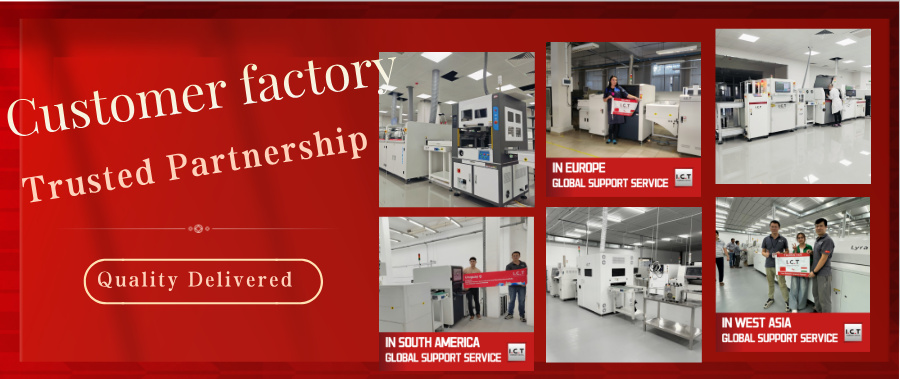
I.C.T is known for helping customers after they buy. The company answers fast during work hours, with help in one hour if needed. Customers can get help at the factory or online. I.C.T gives training, fixes, and help to keep machines working well. Many customers say the machines are easy to set up and work well. The support team helps with setup, answers questions, and fixes problems fast. This good support helps factories keep working and not lose time.
Impact on Yu7
Reliability
The Yu7 uses advanced SMT production lines that focus on making things well. These modern SMT methods help stop mistakes when putting parts together. This means there are fewer problems in the finished car. Because of this, the Yu7’s electronics last longer and work better.
A big study in Great Britain looked at almost 300 million car tests from 2005 to 2022. The study checked both battery electric vehicles and gas cars. At first, electric cars did not last as long. But new models now last as long or longer than gas cars. Better batteries and new ways to build cars, like in the Yu7, help a lot. Battery warranties often cover 8 years or 100,000 miles. Many batteries last even longer than the car. This shows that strong building and good checks are important for electric cars like the Yu7 to stay reliable.
Performance
SMT production lines help the Yu7 work well by making sure parts are put together right. Factories watch many things to keep performance high:
First Pass Yield (FPY): Tells how many cars pass all tests the first time.
Defect Per Million Opportunities (DPMO): Counts mistakes to check quality.
Placement Accuracy: Checks if machines put parts in the right spot.
Solder Joint Quality: Looks at how strong and safe the solder is.
Line Utilization: Shows how well the line is used.
Overall Equipment Effectiveness (OEE): Measures how well machines work.
Machine Downtime Rate: Tells how often machines stop.
Capacity Utilization: Shows how much of the factory is used.
Right First Time (RFT): Counts cars made right without fixing.
These checks help Xiaomi keep the Yu7 at a high standard. Watching and improving these numbers makes the car work better and have fewer problems.
User Experience
The SMT production line helps Yu7 owners have a good experience. Good electronics mean fewer surprises and less time fixing things. Drivers enjoy features like music, safety, and battery systems that work well.
A well-made car makes people feel sure it will start and run every day. New SMT lines also let Xiaomi add updates and new features fast. This keeps the Yu7 up to date and strong against other cars. Owners spend less on repairs and keep their car longer.
User Experience Benefit | Description |
|---|---|
Fewer Repairs | Less time fixing and waiting |
Smooth Operation | Features and electronics work well |
Long Lifespan | Parts and systems last a long time |
Modern Features | Easy updates and new tech |
The Yu7’s strong SMT base makes every trip safe, fun, and easy.
World Manufacturer Identifier
Definition
The world manufacturer identifier, or WMI, is very important in making cars. Every car has a special code called a VIN. The first three letters or numbers in the VIN are the WMI. This part of the code tells who made the car and where it was built. Car companies use the WMI to show their name and country.
There are rules that explain how to use the world manufacturer identifier. Some main rules are:
ISO 3779, which tells how to make a VIN.
ISO 3780, which talks about the WMI code.
Other SAE rules, like J129 and J218, give more details about car codes.
The SAE WMI database keeps a list of all the codes.
The WMI is used all over the world. It helps people track cars, do recalls, and check for safety. The VIN has 17 characters and uses the WMI to help find out who made the car. This system helps with safety, insurance, and finding stolen cars.
The world manufacturer identifier lets everyone know who made each car and where it was built.
Relevance to Xiaomi
Xiaomi Auto uses the world manufacturer identifier to show it makes cars for the world. When Xiaomi builds a Yu7, it gives the car a VIN that starts with its own WMI. This code proves Xiaomi made the car and shows where it was built.
The WMI helps Xiaomi follow world rules. It also helps customers, dealers, and the government track every Yu7. If there is a recall or safety problem, the WMI in the VIN helps find the right cars fast. Insurance and police use the WMI to check a car’s past or find stolen cars.
For Xiaomi, the world manufacturer identifier is more than just a number. It shows trust and good quality. The WMI connects every Yu7 to Xiaomi’s rules and name. As Xiaomi sells more electric cars, the WMI in each VIN helps buyers and partners trust the brand.
Benefit of WMI for Xiaomi | Description |
|---|---|
Traceability | Tracks each Yu7 from factory to owner |
Compliance | Meets global vehicle identification standards |
Brand Recognition | Shows Xiaomi as the official manufacturer |
Safety and Recalls | Helps find and fix affected vehicles quickly |
The world manufacturer identifier gives Xiaomi a strong base for quality and trust. Every Yu7 has this code to show where it came from and that Xiaomi cares about making good cars.
Comparison
Other SMT Lines
Many companies make SMT production lines for electronics and cars. Some of the biggest are Fuji Corporation, Yamaha Motor Co. Ltd, Mycronic AB, ASMPT, and Panasonic Corporation. These companies use new technology and lots of automation. Yamaha uses “Perfect Fit Automation” to help their lines work better. Hyve Solutions adds smart inspection to their SMT lines. This helps factories find mistakes early.
Different places have their own strengths in SMT production. North America has about 23% of the world market. Factories there do a lot of research, especially for cars. Europe grows about 7% each year and uses Industry 4.0 tools to connect machines. Asia-Pacific grows the fastest, with an 8.5% yearly increase. Many factories there make electronics for the world. Other places are starting to use more automation too.
The SMT market is hard to enter. A few big companies control most of it. Smaller companies focus on special jobs.
Aspect | Details |
|---|---|
Major SMT Market Leaders | Fuji Corporation, Yamaha Motor Co. Ltd, Mycronic AB, ASMPT, Panasonic Corporation |
Technological Innovations | Yamaha’s ‘Perfect Fit Automation’, Hyve Solutions’ advanced SMT lines with enhanced inspection |
Regional Market Shares & Growth | North America ( |
Benchmark Criteria | Automation level, miniaturization, AI and Industry 4.0 integration, production scale, operational flexibility |
Market Structure | Consolidated with global leaders dominating; high entry barriers; regional players in niche markets |
Industry Trends | Emphasis on automation, AI, modular scalable solutions, predictive maintenance, remote monitoring |
Comparative Insights | Regional differences in technology adoption and growth rates; innovation-driven market leadership; production efficiency improvements through new technologies |
These differences show that SMT lines change based on where they are and who makes them. Factories pick lines that fit what they need. Some want more speed, others want better checks, or the newest technology.
Industry Benchmarks
Experts use benchmarks to see how well SMT production lines work. One study looked at notebook factories in Taiwan. These factories use SMT lines to build boards for laptops. The study made a model with many ways to measure how well the lines work.
The study got data from seven top companies. These companies made about 80% of Taiwan’s notebooks. That was over half of the world’s supply in 2000.
The benchmarks included SMT cycle time, which shows how fast a line can finish a board.
Factories got better by training workers, fixing machines faster, and testing more solder points.
The study used data envelopment analysis to find where factories could do better and set goals.
The results gave advice on how to work smarter, not just what was wrong.
These benchmarks help set standards for SMT lines in electronics factories everywhere.
Factories that use these benchmarks can make things faster, with fewer mistakes, and at lower cost. This helps them stay ahead in a fast-changing market.
By comparing full-automatic smt production lines and using benchmarks, companies like Xiaomi can pick the best ways to build good electric vehicles.
Xiaomi builds the Yu7 using a modern smt production line. This helps Xiaomi make electric vehicles that work well. I.C.T shows other companies how to use advanced solutions. Good SMT technology makes drivers trust their cars more. People should check SMT features before buying an electric vehicle.