ASM SMT Line vs Panasonic SMT line which one surprises you more

Comparing ASM and Panasonic SMT Lines’ Strengths
Explore key differences between ASM and Panasonic SMT lines.
Features | ASM SMT Line | Panasonic SMT Line |
|---|---|---|
Smart Factory Features | Advanced AI and automation integration | Real-time analytics, Industry 4.0 ready |
Placement Technology | Special algorithms, error prevention | Multi recognition cameras, dual heads |
Throughput Speed | 5-second cycle, high throughput | Up to 45,000 parts/hour |
Precision Accuracy | ±17.5 µm at 2 Cpk | Approximately ±0.02 mm precision |
Modular Design | Highly modular, easy expansion | Flexible feeders, quick changeover |
User Interface | Centralized software suite | Touch screen controls |
Maintenance Support | Unified system, mobile access | Fast spare parts, remote support |
Cost Management | License-based, rental plans | Durable machines, space-saving design |
Operator Learning Curve | Extensive training programs | Simple setup, easy to learn |
Flexibility in Production | Quick job switches, scalable | Fast product changeover |
The ASM SMT Line surprises many experts with its smart factory features and modular design, making it a standout in the smt manufacturing line industry. It can expand easily if needed, offering great flexibility. While the Panasonic SMT line is known for its steady performance and use of multiple cameras, these strong points from both brands are reshaping expectations for SMT machines. Many experts reconsider which smt manufacturing line to choose after witnessing the speed and adaptability of both SMT lines.
Key Takeaways
ASM SMT line has smart factory features and a modular design. This makes it flexible. It is also easy to upgrade.
Panasonic SMT line is known for steady performance. It works fast. It has touch screen controls that are easy to use.
Both lines are very accurate. They place parts quickly. ASM often works faster. ASM has advanced AI error checks.
ASM’s software links all machines in one system. This helps factories manage production. It also helps reduce mistakes.
Panasonic uses many cameras to check parts. It has real-time analytics. This helps keep quality high. It also allows quick job changes.
Both brands give strong support. ASM has mobile-friendly tools in one place. Panasonic gives fast help and clear training.
Factories should think about what they need. They should look at automation, flexibility, ease of use, and support. This helps them choose between ASM and Panasonic.
Both SMT lines help factories work faster. They improve quality and reliability. ASM is best for smart automation. Panasonic is best for easy controls.
ASM SMT Line Features
Technology
Smart Factory
ASM SMT line technology is a leader in the industry. It uses smart factory features to help factories work better. These machines are fully automatic and connect SMT, DIP, and assembly lines together. This makes the work flow smooth and easy. Automation helps save money on workers and makes things less complicated. AI checks for mistakes using the I.C.T-5146 AOI machine. It finds and studies problems right away. This helps make more good products and keeps quality steady. Pick-and-place machines have systems that stop parts from being put in the wrong place. This makes work faster and products better. ASM SMT line layouts use U-shapes to save space and lower setup costs. Workers get lots of help, like training with lessons, practice, and tests.
Some important new things in ASM SMT line smart factory technology:
Pick-and-place machines that make a lot of products.
AI checks for mistakes and finds problems.
Systems that stop errors and help work go faster.
10-zone reflow ovens heat things evenly.
U-shaped layouts save space.
Equipment tracks and checks quality.
Placement Algorithms
ASM SMT line uses special placement algorithms. These help put parts in the right place and stop mistakes. The system uses smart feeders and easy setups. This lets factories start new jobs quickly and change jobs fast. The algorithms let the line switch between single-track and dual-track conveyors in seconds. This makes the ASM SMT line good for many kinds of SMT jobs.
Performance
Throughput
ASM SMT line works very well in the SMT world. The DEK TQ SMT line can finish a cycle in just 5 seconds. It uses fast drives and a smart conveyor system. This makes it one of the best for using space well. The machine is small, only 1.3 by 1.0 meters. It fits well in busy factories with little room.
Performance Aspect | ASM DEK TQ SMT Line Details | Industry Benchmark Comparison |
|---|---|---|
Throughput (Core Cycle) | 5 seconds per cycle, enabled by fast linear drives and advanced conveyor system | Sets a new industry benchmark for floorspace performance and throughput |
Precision
ASM SMT line is very good at being precise. The DEK TQ can reach ±17.5 µm accuracy at 2 Cpk. This is checked by outside experts. It can handle very tiny parts and meets top standards for printing. Workers only need to help about once each shift. This means the line stops less and makes more products than most SMT lines.
Performance Aspect | ASM DEK TQ SMT Line Details | Industry Benchmark Comparison |
|---|---|---|
Precision (Wet Printing) | ±17.5 µm accuracy at 2 Cpk, externally certified, suitable for ultra-fine-pitch components | Meets or exceeds industry standards for printing precision |
Operator Assists | Average of one assist per shift (up to 8 hours between assists) | Significantly reduces line stops and increases productivity compared to typical SMT lines |
Flexibility
Modular Design
The ASM SMT line has a modular design for great flexibility. The SIPLACE X-Series S can have two, three, or four gantries. This lets factories change how much they make as needed. The heads and conveyors can be changed quickly. Factories can set up or take down the line fast without stopping work. This helps when products change often.
Component Handling
ASM SMT line is great at handling parts. The SIPLACE TX micron can do SMT assembly and die processing in one machine. It works with different sizes and types of carriers, like trays, J-boats, and JEDEC trays. The split magazine lets workers add trays without stopping the line. This mix of features gives factories more choices and saves money. It makes the ASM SMT line a smart choice for the future of SMT work.
User Experience
Software
ASM SMT line software is easy for workers and managers to use. The ASM Works suite connects all parts together in one place. It is simple to install and update. All the pieces work well with each other. The system puts all management jobs, like shift calendars and user roles, in one spot. This keeps settings the same everywhere on the smt line. This setup helps stop mistakes and saves time.
Workers get help from automatic data sharing between modules. This keeps information correct and current. It also helps avoid problems with different parts working together. Users can add new features when they need them. For example, a factory can add production planning or material management. They can also add real-time monitoring. Each new feature installs by itself. Users can pick what is most important first.
The ASM Works Core Package has important tools. These include the ASM OIB integration platform, SIPLACE Pro, and Vision Teach Suite. These tools let machines connect right away. This helps the shop floor run better. The software helps track products and link the whole factory. This helps teams keep high standards in smt work.
Tip: Using one software system in the asm smt line helps factories change fast and lowers the chance of big mistakes.
Maintenance
Maintenance in the asm smt line is simple and flexible. The ASM Factory Equipment Center puts all asset and maintenance jobs in one place. Users can get to the system from most phones and tablets. This is good for workers and managers who move around.
The license plan uses a rental system based on what is needed. Factories pay only for the assets they manage. This makes costs clear and easy to plan. It also lowers money risks. One place controls all maintenance steps. Both ASM and non-ASM machines get the care they need. This makes smt work more reliable.
Maintenance plans, asset lists, and service records are all in one system. This helps teams fix problems fast and keep things running well. Easy access and simple cost control make the asm smt line a top pick for factories that want to work better and grow.
Main user experience upgrades:
One place for software and maintenance
Flexible upgrades to add new features
Automatic data sharing for easy connections
Rental plan for better cost control
Simple access from mobile devices
Panasonic SMT Line Features
Technology
Placement Systems
Panasonic SMT lines are known for their advanced placement systems. The NPM-W2 and NPM-D3A use two heads and two tracks. This lets them work on more than one board at a time. It helps the machines finish jobs faster. Panasonic uses real-time analytics in these systems. This matches Industry 4.0 standards. The analytics help factories watch production and make changes quickly. The Panasonic Smart Factory Solution helps factories save money and work better. Panasonic SMT machines have special features. These features help connect and watch the whole line.
Main features of Panasonic placement systems:
Two heads to work on many boards at once
Real-time analytics to watch the process
Works with Industry 4.0 for smart factories
Helps factories save money and work faster
Multi Recognition Camera

Panasonic SMT lines use multi recognition cameras for better accuracy. These cameras look at parts and boards from many sides. This makes sure everything lines up right. The system finds small mistakes before placing parts. This lowers errors and makes more good products. The cameras work with smart algorithms for speed and accuracy. This gives Panasonic an advantage, especially for hard jobs.
Performance
Speed
Panasonic SMT lines are very fast in making products. The NPM-W2 can place up to 45,000 parts each hour. This is good for factories that need to work quickly. Some other brands may be faster, but Panasonic is also very precise and reliable. The two tracks and smart cameras help the line run without stopping much. This makes Panasonic a good choice for factories that want both speed and quality.
Accuracy
Panasonic SMT lines are very accurate. They can place parts with about ±0.02mm precision. This is as good as other top brands. The multi recognition camera and smart placement help keep results steady. Even tiny parts are placed well.
SMT Machine Model | Speed (Components Per Hour) | Accuracy (Placement Precision) | Notable Features |
|---|---|---|---|
Panasonic NPM-W2 | 45,000 | ~±0.02mm | Two heads, smart cameras, two tracks |
Yamaha YSM20R | 80,000 | ±0.02mm | Two heads, two tracks, very fast |
Fuji NXT Series | Up to 55,000 | ±0.02mm | Two lanes, fast, very precise |
Flexibility
Changeover
Panasonic SMT lines are great at changing jobs fast. Factories can switch to new products quickly. Smart feeders and modular setups help with this. The system lets workers change jobs without waiting long. Panasonic’s Competence Centers have labs for testing new products. These labs help factories see how to change jobs better. They show how Panasonic SMT lines fit many needs.
Versatility
Panasonic SMT lines can do many different jobs. They work with many part types and board sizes. New technology helps make more good products and track them. Panasonic has Centers of Excellence to help with special factory needs. Industry 4.0 helps make smart and flexible factories. Panasonic SMT lines are good for many kinds of factories.
Key points about Panasonic SMT line flexibility:
Quick job changes for new products
Labs to test and improve processes
Can use many parts and board sizes
Works with smart factory systems
Note: Panasonic SMT lines are fast, accurate, and flexible. They are a good pick for factories that want reliable and quick surface mount technology.
User Experience
Controls
Panasonic SMT lines are easy for people to use. Operators use a touch screen to set up and watch the machines. This makes learning fast and simple for new workers. The PLC system runs the SMT Automatic PCB Vacuum Loader by itself. This means the machine works well with little help from people.
The controls work with the SMEMA interface. This lets the machines fit into other smt lines easily. It helps the factory keep working without stopping. The vacuum loader is closed in, so it is safe for workers and the machine. Panasonic builds the loader with strong aluminum alloy and steel plate. This makes it last a long time and stay steady. The stepper motor moves the PCB smoothly. The lead screw lets workers set the width just right. These parts help hold the PCB tight and move it safely.
People say the controls are easy and always work well. Panasonic’s way of using automation and joining systems is a good example for others. Both new and skilled workers can use the system without trouble.
What users like about Panasonic SMT line controls:
Touch screen makes using and watching easy.
PLC system lets the machine run by itself.
SMEMA works with other smt lines.
Closed loader keeps everyone safe.
Strong build means it lasts a long time.
Stepper motor and lead screw move PCBs just right.
Support
Panasonic gives strong help for its smt lines. This helps factories keep making products fast. The company gives training and answers to common problems. Support teams help quickly when something goes wrong. This keeps the factory working and on time.
Panasonic also helps connect new machines to old smt lines. They give clear guides and help fix problems. People like the fast help and easy-to-find spare parts. This makes Panasonic smt lines work well for a long time.
Support also includes checking machines from far away and giving new software. This keeps the machines up to date. Panasonic’s help makes factories feel sure about their choice. It helps them change when they need to.
Note: Panasonic’s controls and support make it easy for workers to use the machines. The system is safe, simple, and has good help. Many factories pick Panasonic for these reasons.
ASM SMT Line vs Panasonic: Comparison
Innovation
ASM and Panasonic both bring new ideas to the smt industry, but they do things differently. ASM works on smart factory setups, modular designs, and special placement algorithms. Their SIPLACE Pick-and-Place machines use AI and spot mistakes right away to make products better. ASM’s software connects all the machines, so upgrades and changes are easy. Panasonic focuses on machines that do many jobs and have small designs. The NPM Series uses multi recognition cameras and checks things in real time. This helps make lots of different products quickly. Panasonic’s new ideas are about making machines reliable and simple to use, with touch screens and automatic loaders. Both brands make smt technology better, but ASM is best at smart factory features. Panasonic is great at making machines easy for people to use.
ASM is ahead with smart factory tools and easy upgrades. Panasonic stands out with many cameras and simple controls.
Efficiency
ASM and Panasonic both help factories work fast and well. ASM’s SIPLACE machines are quick and very accurate, even with tiny parts. Their lines use smart automation and switch jobs fast, so there is less waiting. Panasonic’s NPM Series is also speedy, putting down over 45,000 parts each hour. Both brands use software to make lines work better and stop mistakes. ASM has some of the fastest cycle times, and their AI checks keep defects low. Panasonic’s machines are strong and last a long time, so they keep working well. There are no direct numbers for cycle times or defect rates, but both ASM and Panasonic show they are efficient with smart tech and good workflows. Factories using either brand have fewer stops and better products.
Feature | ASM SMT Line | Panasonic SMT Line |
|---|---|---|
Throughput | Fast SIPLACE, quick cycles | NPM Series, 45,000+ parts per hour |
Automation | Smart factory, AI checks | Real-time analytics, auto loaders |
Changeover | Modular, quick setup | Fast, flexible feeders |
Reliability | Stops errors early | Strong, steady machines |
Cost
Thinking about cost is important when picking an smt line. ASM lets factories buy licenses and add upgrades when needed, so spending can grow slowly. Their rental plans help control costs and lower money risks. Panasonic makes tough machines that last a long time, so factories don’t need to buy new ones often. Their small designs save space, which can make setup cheaper. Both ASM and Panasonic give good support and easy ways to connect machines, so training and fixing things costs less. The first price may be different, but both brands help factories save money over time with smart work and strong machines. People choosing between ASM and Panasonic look at smart factory features and how long the machines will last.
Tip: Factories should think about both starting and future costs, like support, upgrades, and space, before picking an smt line.
Support
Support is very important when picking an smt line. ASM and Panasonic both give strong help, but they do it differently. ASM has one main support system for its smt solutions. The ASM Factory Equipment Center lets users handle all service jobs in one spot. This helps teams keep every smt machine working well. You can use support tools on your phone or tablet. This helps workers fix problems fast. ASM also gives lots of training. There are online lessons, hands-on practice, and tests for certificates. These help workers learn to use and care for the smt equipment.
Panasonic cares about quick help and easy setup. They have remote checks, fast spare parts, and clear guides for adding new machines. Panasonic’s team answers service calls fast. This helps factories avoid long stops. They train workers with step-by-step guides and help at the factory if needed. Panasonic also gives software updates often. This keeps the smt line working well and up to date.
Support Feature | ASM SMT Line | Panasonic SMT Line |
|---|---|---|
Centralized Management | Yes (Factory Equipment Center) | No (Individual machine support) |
Mobile Access | Yes | Limited |
Remote Diagnostics | Available | Available |
Spare Parts Delivery | Standard | Fast |
Training Programs | Online, hands-on, certification | Step-by-step, on-site, operator-focused |
Software Updates | Modular, easy to install | Regular, keeps line up to date |
Both ASM and Panasonic know that good support keeps smt lines working. Their different ways give factories choices for what they need.
Many people like ASM’s all-in-one support. It makes fixing things simple and less confusing. Panasonic users like the fast help and good training. Both brands help factories keep smt lines running with less waiting and more trust.
User Feedback
ASM SMT Line
Many people who use the ASM SMT line say good things. Operators like the smart factory features a lot. They think automation helps stop mistakes and saves time. Engineers like the modular design because it lets them change things fast. Factory managers say the placement algorithms make work more accurate and quick. They notice fewer mistakes and more products made.
Some teams talk about the software integration. They find it simple to control many machines from one place. Maintenance workers like the support tools in one system. They can fix problems quickly and keep the smt line working well. Training programs help new workers learn fast. Users also say the ASM SMT line works well with new products and changing plans.
Many users are surprised by how flexible and scalable the ASM SMT line is. They say it helps their factories grow without big changes.
Common ASM SMT Line User Reactions:
Automation cuts down on manual work.
Modular design allows fast upgrades.
Software makes management easy.
Maintenance tools save time.
Training helps new staff do well.
ASM SMT Line Feature | User Feedback Summary |
|---|---|
Smart Factory Automation | Saves time, lowers errors |
Modular Design | Easy to expand, quick changeover |
Software Integration | Centralized control, simple updates |
Maintenance Support | Fast fixes, reliable operation |
Panasonic SMT Line
People who use the Panasonic SMT line also give strong feedback. Operators like the touch screen controls and easy setup. They say the system is simple to learn and use. Engineers talk about the multi recognition cameras. These cameras help find mistakes before they happen. Factory managers like the speed and accuracy of the placement systems. They see steady work and good results.
Support teams like Panasonic’s fast help and clear guides. They find it easy to add new machines to old smt lines. Many users talk about the quick changeover process. They can switch to new products without waiting long. Panasonic’s Competence Centers and remote support help fix problems fast.
Users are often surprised at how reliable and easy to use the Panasonic SMT line is. They say it keeps production going and stops long breaks.
Common Panasonic SMT Line User Reactions:
Touch screen controls are simple to use.
Multi recognition cameras help with accuracy.
Fast support keeps lines working.
Quick changeover adds flexibility.
Reliable performance builds trust.
Panasonic SMT Line Feature | User Feedback Summary |
|---|---|
Touch Screen Controls | Simple operation, fast setup |
Multi Recognition Cameras | Fewer errors, better quality |
Support Services | Quick help, easy integration |
Changeover Process | Fast product switches, flexible |
I.C.T SMT Line Solution
Customization

I.C.T is different in the smt industry because it lets customers change their smt lines a lot. ASM and Panasonic care more about how fast and accurate their machines are. I.C.T listens to what each customer needs and builds smt lines just for them. This helps factories make smart lines that match their own goals and ways of working.
I.C.T makes special smt lines for smart factories.
Customers get help any time, day or night, and for as long as they use the equipment.
I.C.T has local partners or sends engineers to visit if needed.
Remote help is given safely, so engineers do not always need to come in person.
This way, every smt line can change when factories need something new. That is why many manufacturers pick I.C.T for custom solutions.
Equipment Support
I.C.T gives strong equipment support that helps factories work better and stop less. They have many kinds of smt equipment and services to keep lines running well. The table below shows the types of support and how they help:
Equipment Support Types | Description and Impact on Production Uptime |
|---|---|
Online Assistance | Quick online help for problems, so lines stop less. |
On-site Equipment Debugging | Engineers go to factories anywhere to fix issues and keep things working. |
Operator Training | Hands-on lessons help workers do better and make fewer mistakes. |
Printers, pick and place, ovens, and inspection machines make good products. | |
DIP Production Line Machines | Helps with through-hole work using auto insert, selective solder, and DIP AOI machines. |
Coating & Dispensing Line Machines | Makes products better with coating, curing, dispensing, and lens machines. |
PCB Handling Machines | Loaders, conveyors, and buffers move materials smoothly and stop slowdowns. |
SMT Cleaning Machines | Cleaning tools keep products and machines in good shape. |
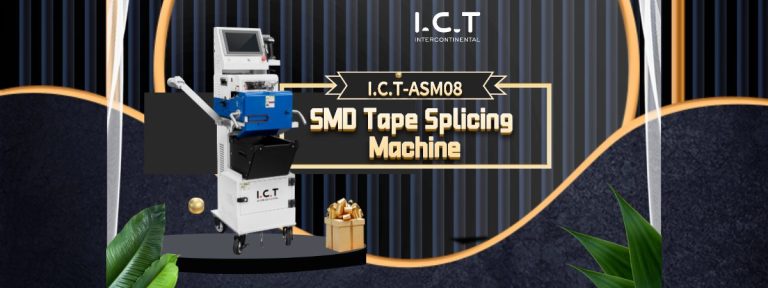
SMT Peripherals | Smart storage, IC programming, tape splicing, and other tools help factories work better and improve all the time. |
These services help smt lines stay busy, fix problems fast, and give expert help whenever needed.
Engineering Support

I.C.T’s engineering support is better than what ASM and Panasonic give. Their expert engineers help at every step of the smt line’s life. From planning to setup and making things better, I.C.T engineers work closely with customers. They help fix problems at the factory, make processes better, and give advice to keep improving. This hands-on help lets factories make more good products and work smoothly. I.C.T always gives expert help so smt lines can work their best.
Note: I.C.T is a good partner for any smt factory because it offers custom solutions, strong equipment support, and expert engineering help.
Integration
I.C.T is special in the smt industry because it connects new solutions to old factory systems. Many factories have trouble when they add new smt equipment. I.C.T helps by giving one platform for everything. This platform joins scheduling, tracking, quality checks, and equipment problem analysis. Factories can control their whole smt process from one place.
Factories using I.C.T get a single database and network. This system shares information between production, quality, process, and logistics teams. Operators see real-time data. This helps them make better choices and stop downtime. I.C.T works with many types of smt and DIP equipment. It supports stencil printers, pick and place machines, reflow ovens, automatic inserting machines, wave soldering machines, AOI and SPI inspection machines, PCB handling machines, coating and dispensing machines, and traceability equipment. This lets factories grow or upgrade their smt lines without stopping work.
The table below shows what I.C.T integration can do:
Integration Capability | Description |
|---|---|
Unified Platform Integration | Puts scheduling, tracking, quality checks, problem analysis, and reports on one platform. |
Database & Network | Shares management info between teams with one database and network. |
Equipment Integration | Works with many smt and DIP machines for smooth operation. |
Production Process Management | Tracks products from barcode to end, helps prevent mistakes and allows traceability. |
Quality & Reporting | Gives early warnings, automatic data checks, and electronic reports. |
Manufacturing Benefits | Makes closed-loop production and smart management, connects with old factory systems. |
I.C.T also helps manage the production process. The system follows products from barcode creation to every step in the smt cycle. This stops mistakes, allows traceability, and uses paperless rules. Factories can use pull logistics to move materials better and waste less.
I.C.T’s quality and reporting tools give early warnings and automatic data checks. Electronic reports help managers see problems and fix them before they get worse. These tools help factories keep production running and use smart manufacturing.
I.C.T is more flexible than ASM and Panasonic for integration. ASM uses smart factory software. Panasonic focuses on machine matching and automation. I.C.T mixes these ideas and adds easy connection to old systems. This makes it simple for factories to upgrade or grow their smt lines.
Tip: Factories that want easy integration and future-ready smt solutions often pick I.C.T for its all-in-one platform and wide equipment support.
ASM is known for its smart automation and flexible smt lines. Panasonic is liked for its strong, small machines and simple controls. I.C.T is special because it builds smt lines that fit car electronics needs. The table below lists what each company does best:
Provider | Key Strengths | Typical Use Cases |
|---|---|---|
ASM Assembly Systems | Precision, high throughput, smart factory features | Automotive, telecom, industrial |
Panasonic Corporation | Reliability, compact design, multifunctional lines | Consumer electronics, dense PCBs |
I.C.T | Custom integration, end-to-end support | Automotive electronics |
People should pick the smt line that matches what they need most. This helps them get the best results.